

Any type of work injury can be physically, emotionally, and financially draining. That’s why workers’ compensation insurance is essential, especially in high-risk industries.
According to OSHA, falls are one of the most common causes of serious workplace injuries and fatalities. While falling is a significant concern on industrial job sites, falls can happen in just about any place of work.
Fall prevention strategies in the workplace are key to protecting yourself and your fellow workers from harm. Keep reading to discover how to prevent falls in the workplace and learn how RGMR can help protect your interests in the event of an injury.
The Impact of Falls in the Workplace
Taking steps to prevent common workplace injuries isn’t optional. It’s an essential part of any professional environment. Falls and trips can have serious and widespread consequences. Damage to workers’ physical and emotional health, reduced productivity, and more workers’ comp cases are just a few of the negative outcomes that can occur from workplace falls.
While prevention is always the goal, workplace injuries can happen to anyone. Regardless of your industry or job title, you shouldn’t be denied the benefits you deserve if you sustain an injury at work.
Assessing Workplace Risks
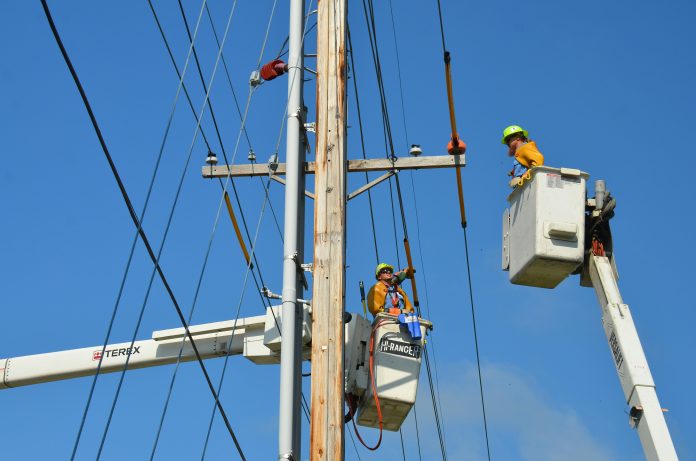
Even people who work in traditional office environments can get injured due to a slippery floor or a poorly designed staircase. But some industries carry significantly more risk for workers than others, yielding more workers’ comp claims per year.
Fall hazards in the workplace should be carefully assessed in every industry, particularly those with higher rates of fall injuries like construction, health services, transportation, wholesale, and retail.
According to the CDC, the most common workplace trip hazards across all industries include:
- Slippery, unstable, or cluttered surfaces
- Holes in floors and walls
- Unsafely positioned ladders
- Misused fall protection
- Unprotected edges
Practical Tips for Fall Prevention
Preventing fall injuries in the workplace must be addressed at every level with the continued participation of federal and local regulators, professional associations and workers’ unions, industry leaders, employers, and employees.
Proven strategies for preventing slips, trips, and falls in the workplace include:
- Maintaining slip-resistant surfaces in hazardous areas
- Installing fall-alert systems
- Marking edges and other potential trip zones
- Keeping surfaces dry with appropriate ventilation and drainage systems
- Ensuring adequate lighting in all work areas
- Installing handrails where appropriate
- Providing adequate footwear and other personal protective equipment (PPE)
- Frequently cleaning work areas
- Training employees on workplace safety topics and the use of all safety equipment
The Role of Employers and Employees
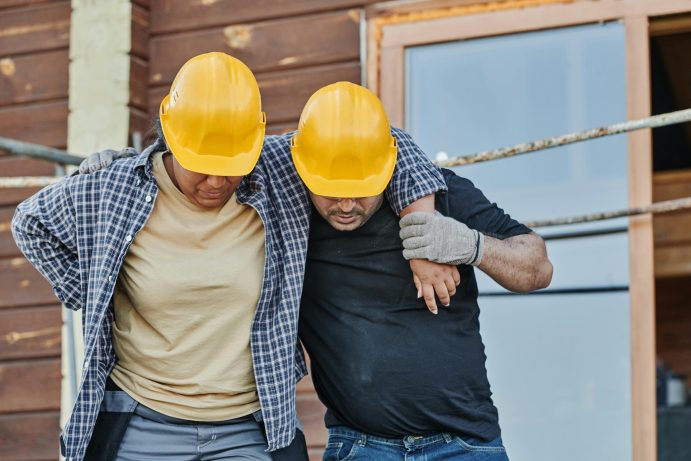
Every workplace is unique. While regulations and industry standards play an important role in safety, no one knows the hazards in an environment better than the people who work there every day.
That’s why the combined efforts of employers and employees are so important when it comes to protecting workers from falls, slips, and other work injuries:
- Effective communication: When employers, supervisors, and workers are properly trained on communicating in the workplace, especially in hazardous situations, everyone is safer.
- A safety-oriented culture: Employees should always be informed about the trip hazards and other safety topics in their workplace so they can look out for one another at all times and prioritize safety protocols.
- A “see something, say something” policy: It’s essential that workers report any potential hazard they see in their work environment; for example, if there is a ledge that isn’t marked appropriately on a work site, employees should feel empowered to speak up so it can be addressed.
Even when everyone is careful, accidents do happen. At RGMR, we strive to ensure that every Oregon worker knows their rights. If you’re injured on the job, you have a right to file a workers’ comp claim to get the financial benefits you need to cope with your injury and get back on your feet.
Staying Informed for Ongoing Safety
Workplaces are constantly evolving with new technologies, equipment, and procedures. That means safety practices need to evolve as well. Staying up-to-date on relevant training, safety policies, and regulatory standards is the best way to prevent falls now and in the future. When it comes to workplace safety, education is the most powerful tool at your disposal.
Check out our FAQs to learn more about workers’ comp law in Oregon.
Have You Suffered an Injury Due to a Workplace Fall?

With the right precautions and transparent communication, on-the-job fall injuries can be significantly reduced. But unfortunately, no workplace is 100% hazard-free. Injuries happen, and when they do, you need fierce legal representation to ensure you get the compensation to which you’re rightfully entitled.
With over 70 years of combined experience, the expert attorneys and Ransom, Gilbertson, Martin, & Ratliff, LLP are committed to using their knowledge and expertise to build a strong case and advocate for you at every stage of the process.
Contact us to tell us about your situation and ask any questions you have. We offer free consultations and won’t charge you any fees unless we win your case.
Mike grew up in a military family and attended Northwestern School of Law in Oregon, where he graduated with honors. He began practicing workers’ compensation law in 1991 and became a founding partner of Ransom & Gilbertson in 1995. With decades of experience, Mike is known as a top 1% workers’ compensation attorney and has earned Martindale-Hubbell’s highest AV rating for skill and ethics. Outside the office, he enjoys rafting, fishing, going to the beach, and spending time with his dog, Sahalie.